
Arthritis (Joint Inflammation)
Arthritis treatment in Thane for painful, stiff or swollen joints. There are many types of arthritis, and most can be eased a great deal without surgery.
What Is Arthritis?
Arthritis is a word for more than a hundred different conditions that cause pain in the joints and the tissues around them, such as ligaments, tendons and bones.
Many forms of arthritis also cause inflammation in the joints. Inflammation is the body’s natural reaction to irritated or infected tissue. It can make the affected joint swollen, painful, warm and red.
Arthritis is a long-term (chronic) condition. It may be present all the time, or come and go in flare-ups, for months or for the rest of a person’s life. Its main causes are wear and tear, injury, an overactive immune system and infection, and sometimes there is no clear reason at all.
What It Feels Like
Symptoms of arthritis range from mild to severe. Most people notice:
- Pain in the joint, often worse after use or at the end of the day
- Stiffness, especially in the morning or after sitting still
- Swelling, warmth or a creaking, grinding feeling
- Less movement in the joint, so sitting on the floor, squatting or climbing stairs becomes hard
- Tiredness and low mood, which can come with long-term pain
Arthritis threatens the ability of millions of Indians to move freely, work, sleep well and enjoy life without unnecessary pain. The good news is that the right treatment can make a big difference.
Types of Arthritis
Arthritis conditions fall into two broad groups.
Osteoarthritis
Osteoarthritis is the most common form of arthritis, and it affects more Indians than all other types combined. It happens when the body can no longer repair damaged joint tissue. The damage often comes with ageing, but it can also follow an injury.
In osteoarthritis, the cartilage that covers and protects the ends of the bones slowly wears away. In time, bone rubs against bone, causing pain, stiffness, swelling and loss of movement. The joints most often affected are the knees and hips, the joints of the hands, and the spine.
Many things add to the risk of osteoarthritis, including age, being overweight, being a woman, jobs that load the joints, some sports, earlier joint injuries or operations, and genes.
Inflammatory Arthritis
Inflammatory arthritis is different from osteoarthritis because the joint damage comes from inflammation rather than wear of the cartilage. Most forms are autoimmune diseases, in which the immune system, the body’s defence against infection, mistakenly attacks healthy tissue. Examples include rheumatoid arthritis, psoriatic arthritis and ankylosing spondylitis. Gout, caused by crystals of uric acid in the joint, is another inflammatory type.
The inflammation can cause pain, stiffness, restricted movement, tiredness and damage to joints and other tissues. If not found and treated quickly, these diseases tend to progress faster than osteoarthritis. Some, such as rheumatoid arthritis, can affect the whole body.
Septic Arthritis
Septic arthritis is an infection inside a joint. It develops over hours or days and can quickly destroy the joint, so it is a medical emergency. Read more about septic arthritis.
How Arthritis Is Diagnosed
Dr. Gadkari starts by listening to how the pain affects your life and examining the joint. X-rays show how much cartilage is left and whether the bones have changed shape. If an inflammatory arthritis is possible, blood tests can look for markers of inflammation, rheumatoid arthritis or high uric acid. Sometimes an MRI scan, or a test of fluid drawn from the joint, is needed.
Getting the type right matters, because osteoarthritis and inflammatory arthritis are treated differently. If you have an inflammatory arthritis, Dr. Gadkari will work alongside a rheumatologist, a specialist in these conditions.
Treatment Options
Most arthritis is treated without surgery. Treatment builds up step by step, and many people never need more than the first few steps.
Step 1 of 5
Self-Care and Lifestyle
Keeping a healthy weight, staying active, using a chair instead of the floor, wearing supportive footwear, and using heat or cold packs for comfort.
Step 2 of 5
Physiotherapy and Exercise
Exercises that strengthen the muscles around the joint and keep it moving. This is one of the most effective treatments for knee and hip arthritis.
Step 3 of 5
Medicines
Painkillers, anti-inflammatory tablets or gels, used carefully and for the shortest time needed. Inflammatory arthritis needs specific disease-controlling medicines.
Step 4 of 5
Injections
A steroid injection into the joint can calm a painful flare for weeks or months.
Step 5 of 5
Joint Replacement
When arthritis has badly damaged a joint and other treatments no longer help, replacing it can remove the pain and restore movement.
Read about joint replacement
Living Well With Arthritis
Small changes at home can protect your joints every day:
- Sit on a chair of good height rather than on the floor, and use a western toilet or a raised seat.
- Fit a handrail on the stairs and a grab bar in the bathroom.
- Walk, cycle or swim regularly. Gentle movement eases stiffness.
- Spread heavy tasks through the day, and rest the joint during a flare.
- Ask Dr. Gadkari before stopping or starting any medicine.
Dr. Gadkari’s first aim is to keep you moving comfortably for as long as possible without an operation. He explains what is happening in your joint, sets a practical plan with exercise, weight and medicines, and reviews it with you over time. Surgery is discussed only when it would clearly make your life better.
Understand Your Diagnosis
He goes through your X-rays and scans with you, so you know exactly what is wrong and why.
Try Non-Surgical Care
Medicines, physiotherapy, weight and activity changes come first, for as long as they help.
Operate When It Helps
Surgery is advised only when it will clearly improve your pain and daily life.
Before and After X-Rays
Total Knee Replacement
Worn-out knee joints from arthritis, and the knee after a total knee replacement.
Pending Medical Review
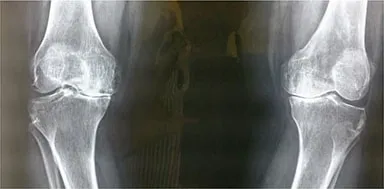
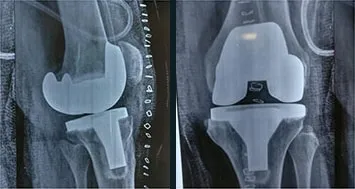
From Dr. Gadkari's own cases. Identifying details have been removed. Every patient's result is different.
“We found him extremely approachable responding to our queries 24x7, providing practical solutions and not prescribing excessive medication.”
Read the original Google review, 2025 (opens in a new tab)
Frequently Asked Questions
What is the difference between osteoarthritis and rheumatoid arthritis?
Osteoarthritis is wear of the cartilage over time, often in the knees, hips and hands. Rheumatoid arthritis is an autoimmune disease in which the immune system attacks the joint lining, often in both hands and feet at once, with morning stiffness that lasts a long time. They are treated differently, so the right diagnosis matters.
Should I exercise if I have arthritis?
Yes. Regular, gentle exercise strengthens the muscles around the joint, eases stiffness and helps control weight. Walking, cycling, swimming and specific physiotherapy exercises are good choices. Pain that lasts more than an hour or two after exercise means you should do a little less.
Do joint supplements help arthritis?
The evidence for supplements such as glucosamine and chondroitin is mixed, and many people notice little difference. They are generally safe, but check with your doctor first, especially if you take blood thinners or have diabetes.
Can an injection help my arthritic knee?
A steroid injection can calm a painful flare for some weeks or months. It is not a cure, and injections are usually limited to a few a year. Dr. Gadkari will tell you whether an injection is likely to help your knee.
Book a Consultation
Talk to Dr. Gadkari about arthritis. Message the clinic on WhatsApp or call, and they will find a time and place that suits you.
Pending Medical Review: Dr. Gadkari has not yet approved this page.