
Fracture & Trauma Care
Fracture and trauma treatment in Thane, from a simple plaster to surgery with plates, screws or nails, and what recovery looks like after a broken bone.
What Is a Fracture?
A fracture is a broken bone. Fractures happen to people of all ages, most often because of a road accident, a fall or a sports injury. In older people with weaker bones, even a simple fall at home can break a hip or wrist.
A fracture is often an emergency, especially when a large bone breaks, such as the upper arm bone (humerus), the thighbone (femur) or the lower leg bones (tibia and fibula), or when the broken bone comes through the skin.
If you or someone with you has just been injured, read Fracture Care in Thane: What to Do and Where to Go.
Types of Fracture
Open and Closed Fractures
There are two main types. In a closed fracture, the more common type, the broken bone does not break the skin. In an open fracture, the broken bone comes through the skin, often with bleeding. Open fractures carry a high risk of infection and need urgent surgery.
Other Ways Fractures Are Described
- Displaced or undisplaced: whether the broken ends have moved out of line.
- Into the joint: a break that runs into a joint surface, which often needs exact repair to prevent arthritis later.
- Stress fracture: a fine crack from repeated strain, common in runners and soldiers.
- Fragility fracture: a break from a minor fall, often a sign of weak bones (osteoporosis).
- Children’s fractures: young bones bend and heal fast, but breaks near the growth plates need careful treatment.
Signs of a Broken Bone
- Pain that is worse when you move or press on the area
- Swelling and bruising
- A limb that looks bent, shortened or out of shape
- Being unable to use the limb or put weight on it
- A grinding feeling, or a snap heard at the time of injury
Why Fractures Need Prompt Treatment
A fracture should be diagnosed and treated quickly. It is very painful, and it may come with damage to nerves and blood vessels. If it is missed or left untreated, it can lead to compartment syndrome in the short term, a dangerous build-up of pressure in the muscles, and to deformity or a bone that does not join (a non-union) in the longer term.
The aims of treatment are to reduce pain, hold the broken bone in the right position while it heals, find and treat any complications, and return you to how you were before the injury within a reasonable time.
How Fractures Are Treated
Dr. Gadkari chooses the treatment that suits the bone, the type of break and your daily life. The main options are:
Casts, Slings, Splints and Braces
A broken bone cannot heal if it keeps moving. These devices hold it still. Your doctor will tell you how long you need one and whether it can be taken off for bathing or exercises.
Internal Fixation
An operation in which the broken pieces are put back in place and held together with screws, metal plates or rods (nails) inside the bone. This allows earlier movement for many fractures.
External Fixation
A frame outside the body holds the bone through pins or screws. It is often used for open fractures or badly swollen limbs. The frame is removed later, and sometimes internal fixation is done as a second step.
Traction
A gentle pulling force, applied through skin tapes or a metal pin, lines up the broken bone. Today it is mostly used as a short first step before another treatment.
Walkers, Sticks and Crutches
These take weight off the broken bone so you can move about safely until it is strong enough to bear weight.
Recovery After a Fracture
Most broken bones in adults take about 6 to 12 weeks to heal, and longer to regain full strength. Healing is slower in older people, smokers and people with diabetes. Physiotherapy is an important part of recovery, to bring back movement and strength once the bone allows.
First Days
Pain control, raising the limb, and a check that the fracture is stable.
Weeks 1 to 2
First follow-up X-ray. Stitches removed if you had surgery.
Weeks 6 to 12
Most fractures have joined. Gradually more weight and movement.
3 to 6 Months
Strength and confidence return with physiotherapy.
Typical milestones. Everyone heals at a different pace, and your physiotherapist will adjust the plan to you.
Protecting Your Bones
If you broke a bone in a simple fall, ask about a bone density test. Treating osteoporosis, staying active, getting enough calcium and vitamin D, and making your home safer all lower the chance of another fracture.
Dr. Gadkari has trained in trauma surgery at Bombay Hospital and treats fractures of all kinds, from simple wrist breaks to complex hip and leg fractures. Whatever the injury, the goal is the same: to help you return to normal life with as little disruption as possible.
Assess Quickly
Find the full extent of the injury, including nerves and blood vessels.
Choose the Simplest Safe Option
A plaster or brace when it will heal well, surgery when it gives a better result.
Get You Moving
Early movement and physiotherapy to bring back strength and independence.
Before and After X-Rays
Fracture Around a Hip Implant
A thigh-bone fracture below an existing hip implant (a periprosthetic fracture), treated with a longer revision stem.
Pending Medical Review
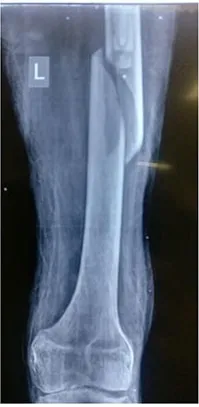
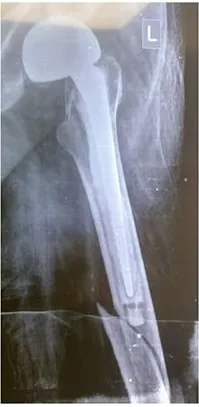
Hip Fracture Fixed With a Nail
An intertrochanteric (upper thigh bone) hip fracture, fixed with a proximal femoral nail (PFN).
Pending Medical Review
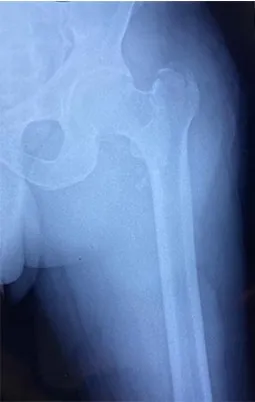
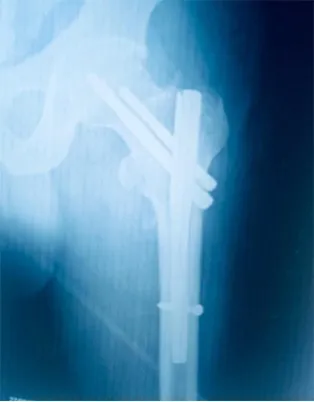
Subtrochanteric Femur Fracture
A fracture just below the hip in the upper thigh bone, fixed with a long intramedullary nail.
Pending Medical Review
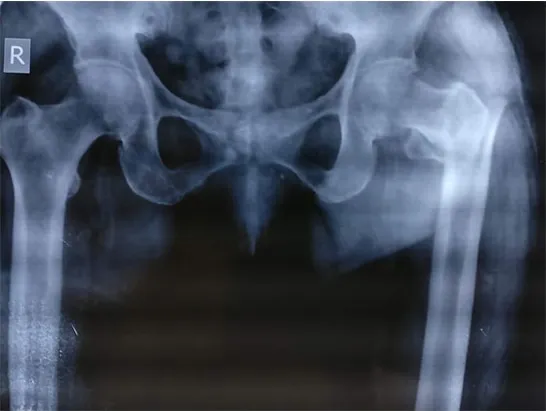
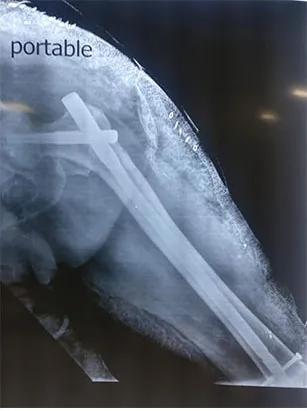
Six-Week-Old Hip Fracture That Healed Out of Place
A hip fracture left untreated for six weeks had started to heal in the wrong position (malunion) and was corrected with surgery.
Pending Medical Review
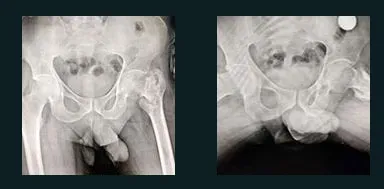
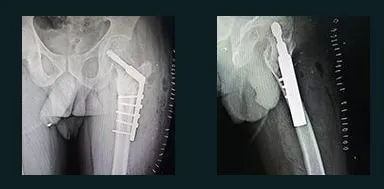
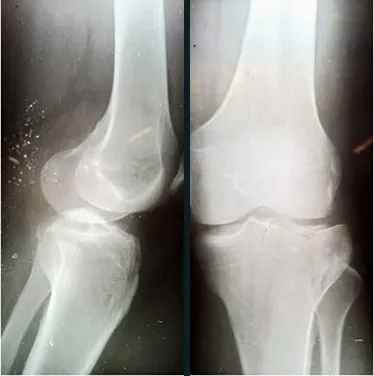
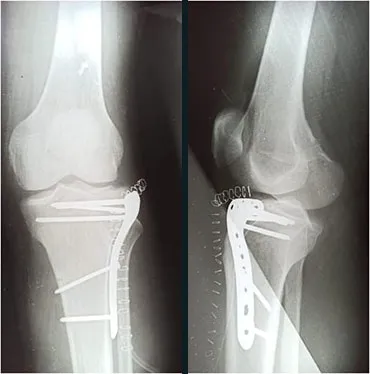
Fracture Below the Knee, Fixed With a Plate
A fracture of the upper shin bone (proximal tibia) just below the knee, fixed with a plate and screws.
Pending Medical Review
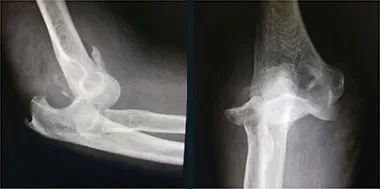
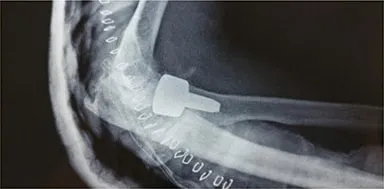
Severe Elbow Injury (Terrible Triad)
An elbow dislocation with fractures, treated by replacing the radial head and reconstructing the outer elbow ligament (LCL).
Pending Medical Review
From Dr. Gadkari's own cases. Identifying details have been removed. Every patient's result is different.
“We found him extremely approachable responding to our queries 24x7, providing practical solutions and not prescribing excessive medication.”
Read the original Google review, 2025 (opens in a new tab)
Frequently Asked Questions
How long does a broken bone take to heal?
Most fractures in adults heal in about 6 to 12 weeks, though getting full strength back takes longer. Healing is slower in older people, smokers and people with diabetes, and in some bones such as the shin.
Will my fracture need an operation?
Many fractures heal in a plaster, splint or brace. Surgery is more likely when the bone ends are out of place, the break goes into a joint, the bone has come through the skin, or the fracture is in the hip.
Do plates and screws have to be removed later?
Usually not. Most plates, screws and nails stay in for life without causing problems. They are removed only if they cause pain, irritation or infection, or in some younger patients.
I broke a bone from a simple fall. Should I be checked for osteoporosis?
Yes. A fracture from a fall at standing height, especially of the wrist, hip or spine, can be a sign of weak bones. A bone density scan and treatment can lower the chance of another fracture.
Book a Consultation
Talk to Dr. Gadkari about a fracture. Message the clinic on WhatsApp or call, and they will find a time and place that suits you.
Pending Medical Review: Dr. Gadkari has not yet approved this page.