
Hemi Hip Replacement (Hemiarthroplasty)
Hemi hip replacement in Thane replaces the broken ball of the hip joint, most often after a fall in an older adult, so they can stand and walk again quickly.
At a Glance
Pending Medical Review
- Who It's For
- Older adults with a displaced fracture of the hip's ball (the femoral neck)
- Anaesthesia
- Spinal anaesthesia, often with a nerve block
- Hospital Stay
- Usually 4 to 7 days
- Walking Again
- With a walker within 1 to 2 days
- Full Recovery
- About 3 months, sometimes longer
Typical figures. Your own plan depends on your health, age and the joint involved.
What Is Hemi Hip Replacement?
A hemiarthroplasty, or hemi hip replacement, is an operation that replaces half of the hip joint. The hip is a ball and socket joint. In a hemi hip replacement, only the ball at the top of the thighbone is replaced; the socket in the pelvis is left as it is. Replacing both the ball and the socket is called a total hip replacement.
A hemiarthroplasty is generally used to treat a broken hip. In older people, a fall at home can break the narrow neck of the thighbone just below the ball. When the break is out of place, the blood supply to the ball is often damaged and the ball cannot heal well if it is fixed with screws. Replacing the ball lets the patient bear weight and walk again soon, rather than lying in bed for weeks.
For Families: The First 48 Hours
Most hip fractures happen to a parent or grandparent who has tripped or slipped at home. If this has happened in your family, here is what to expect.
Recognising a Broken Hip
Your relative cannot stand or put weight on the leg, has pain in the groin or hip, and the leg may look shorter and turned outwards.
Getting to Hospital
Do not try to lift them onto their feet. Keep them warm and comfortable and call an ambulance, or bring them to the nearest hospital emergency department.
What to Bring
A list of all their medicines, especially blood thinners and diabetes medicines, any previous reports, their ID and insurance details.
Tests and Fitness Checks
X-rays confirm the fracture. Blood tests, an ECG and a physician's review make sure the heart, lungs and kidneys are ready for surgery.
Surgery, Usually Within a Day or Two
Once your relative is medically fit, the operation is usually done as soon as possible, because getting up early reduces the risks of lying in bed.
Hemi or Total Hip Replacement?
A hemi hip replacement is the usual choice for an older person who was not very active before the fall and whose hip socket is healthy. A total hip replacement, which also replaces the socket, may be better for a fitter, more active person, or for someone who already had hip arthritis before the fracture.
If the femoral head is broken but the acetabulum (socket) is intact, you may be a good candidate for a hemiarthroplasty. Dr. Gadkari will recommend a hemi hip replacement depending on:
- The health of the whole hip joint, including the socket
- The patient’s overall health and other medical conditions
- Their expected life span
- How active they were before the fracture
The Surgery, Step by Step
Anaesthesia
Usually spinal anaesthesia, which numbs the lower body, often with a nerve block for pain relief. The anaesthetist chooses the safest option for an older patient.
Removing the Broken Ball
Through a cut over the side of the hip, the broken ball is removed.
Fitting the New Ball
A metal stem is placed inside the thighbone, fixed with bone cement or with a surface the bone grows into, and a new ball is fitted on top.
Checking and Closing
The new ball is placed in the natural socket and the hip is checked for stability before the wound is closed.
Getting Up
With the physiotherapist's help, most patients sit out of bed and stand with a walker within one or two days.
Your Recovery Timeline
Days 1 to 2
Sitting out of bed and standing with a walker, with help.
Days 4 to 7
Home, or to a rehabilitation unit, once walking safely with a walker.
Week 2
Stitches or clips removed. Daily walks at home with the walker.
6 Weeks
Many people move from a walker to a stick.
3 Months
Most people are back to their usual level of walking, though some will always need a stick.
Typical milestones. Everyone heals at a different pace, and your physiotherapist will adjust the plan to you.
Common Worries, Answered
My mother is 85. Is surgery really safe?
Age alone is not a reason to avoid surgery. Most older people with a broken hip recover better with an operation than without one, because lying in bed for weeks carries serious risks of its own. The anaesthetist and physician check every patient carefully before surgery.
Will she walk again?
Most patients walk again with a walker within a few days and continue to improve over three months. How far they get back depends on how mobile they were before the fall, their general health and their commitment to physiotherapy.
How do we prevent another fall?
Remove loose rugs, add night lights and grab rails in the bathroom, and make sure footwear is firm. A review of medicines, eyesight and bone strength helps too, as many hip fractures are a sign of osteoporosis.
Risks Explained Plainly
A hip fracture is a serious injury in an older person, and the operation carries some risks. The main ones are:
- Confusion for a few days after surgery, which usually settles.
- Chest infection, blood clots and bed sores, which getting up early helps prevent.
- Infection around the new joint, which is uncommon.
- Dislocation of the new ball, mostly in the first weeks.
- Wear of the natural socket over many years, which occasionally needs conversion to a total hip replacement.
Dr. Gadkari and the anaesthetist will talk these through with the family before the operation.
Before and After X-Rays
Hip Fracture Fixed With a Nail
An intertrochanteric (upper thigh bone) hip fracture, fixed with a proximal femoral nail (PFN).
Pending Medical Review
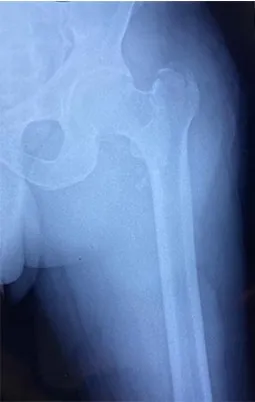
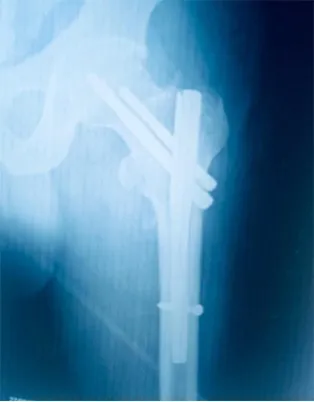
From Dr. Gadkari's own cases. Identifying details have been removed. Every patient's result is different.
Frequently Asked Questions
Why is surgery done so quickly after a hip fracture?
Older people who lie in bed with a broken hip are at risk of chest infections, bed sores, blood clots and confusion. Operating once the patient is medically fit, usually within a day or two, lets them sit up and walk sooner, which lowers these risks.
Is hip surgery safe for someone over 80?
Age alone is not a reason to avoid surgery. Most older people with a hip fracture recover better with an operation than without one. The anaesthetist and physician check the heart, lungs and other conditions first, and the team plans the safest anaesthetic.
I broke a bone from a simple fall. Should I be checked for osteoporosis?
Yes. A fracture from a fall at standing height, especially of the wrist, hip or spine, can be a sign of weak bones. A bone density scan and treatment can lower the chance of another fracture.
Is joint replacement covered by health insurance?
Most health insurance policies in India cover joint replacement when it is medically needed. Check your policy for waiting periods, room-rent limits and any co-payment. The hospital's insurance desk can usually arrange cashless approval before you are admitted.
Book a Consultation
Talk to Dr. Gadkari about hemi hip replacement. Message the clinic on WhatsApp or call, and they will find a time and place that suits you.
Pending Medical Review: Dr. Gadkari has not yet approved this page.