
Fracture Care in Thane: What to Do and Where to Go
Fracture care in Thane, step by step. What to do in the first hour after a fall or injury, where to go, and what to bring with you.
Is It a Broken Bone?
Broken bones (fractures) happen to people of all ages, most often after a road accident, a fall or a sports injury. A fracture is often an emergency, especially in a large bone such as the upper arm, thigh or lower leg, or when the bone comes through the skin.
Signs that a bone may be broken:
- Severe pain that gets worse when you move or press on the area
- Swelling and bruising that appear quickly
- A limb that looks bent, shortened or out of shape
- Being unable to use the limb or put weight on it
If you are not sure, treat it as a fracture until a doctor has checked it.
What to Do in the First Hour
Stay Calm and Check
Make sure the area is safe. Check whether the person is awake, breathing and bleeding.
Keep the Injured Part Still
Support it in the position you found it, with a folded towel, pillow or rolled newspaper as a splint. Do not try to straighten it.
Stop Any Bleeding
Press gently around the wound with a clean cloth. If bone is showing, do not push it back in, and cover it with a clean cloth.
Remove Rings and Bangles
Take off rings, bangles, watches and toe rings from the injured limb before swelling makes them too tight.
Cool the Area
Hold a cold pack or ice wrapped in a cloth on the area for up to 20 minutes. Never put ice directly on the skin.
Nothing to Eat or Drink
If the bone looks badly broken, avoid food and drink, in case an operation under anaesthesia is needed soon.
Get to Hospital
Go to the nearest hospital emergency department, or call an ambulance on 108 for a serious injury.
When an Older Person Falls
A fall at home is the most common cause of a broken hip in older people. If your parent or grandparent falls and has pain in the hip or groin, cannot stand, or the leg looks shorter and turned outwards, the hip may be broken. Do not try to lift them onto their feet. Keep them warm, comfortable and still, and call an ambulance. Most broken hips need an operation within a day or two, which you can read about on our hemi hip replacement page.
Where to Go in Thane
For a serious injury, go to the nearest hospital emergency department straight away. Do not wait for a clinic appointment. Dr. Gadkari operates at several hospitals in Thane, listed below. If you are going to one of them, call the clinic to let the team know you are on your way.
For a minor injury where you can still use the limb, such as a sprained ankle or a painful finger, you can book an appointment at the clinic for an examination and X-ray.
What to Bring to Hospital
Having these ready saves time and helps the team treat you safely:
- ID such as an Aadhaar card, and your health insurance card or policy details
- A list of all medicines, especially blood thinners, diabetes medicines and blood pressure tablets
- Any previous X-rays, scans and medical reports
- Your phone and charger, and a family member's number
- Someone to stay with the patient, especially if they are elderly
What Happens at the Hospital
Assessment
The emergency team checks breathing, circulation and other injuries first, then examines the limb.
Pain Relief
Pain medicine is given early, sometimes with a nerve block.
X-Rays and Scans
X-rays show the fracture. A CT scan may be needed for breaks into a joint or the pelvis.
Temporary Splint
The limb is supported in a splint or slab to protect it and reduce pain.
Treatment Plan
Dr. Gadkari explains whether the fracture can heal in a plaster or brace, or needs an operation, and what each choice means for you.
After the Fracture Is Treated
Raise the limb to keep swelling down, move the fingers or toes often, and keep plasters dry. Go back to hospital urgently if the fingers or toes become pale, blue, numb or very painful, or if a plaster feels too tight. Follow-up X-rays check that the bone is healing in a good position. Physiotherapy then brings back movement and strength.
Most fractures in adults take about 6 to 12 weeks to heal, and longer to regain full strength. To understand the treatment options in more detail, read about fracture and trauma care.
Before and After X-Rays
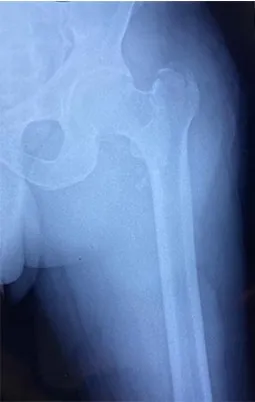
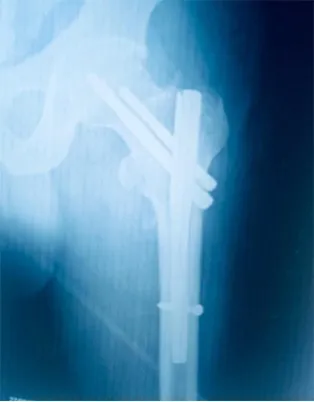
Hip Fracture Fixed With a Nail
An intertrochanteric (upper thigh bone) hip fracture, fixed with a proximal femoral nail (PFN).
Pending Medical Review
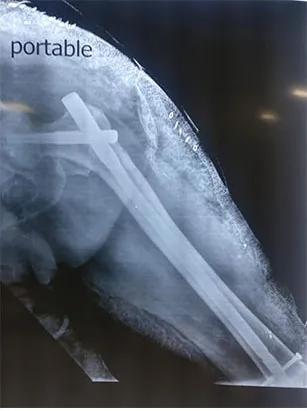
Subtrochanteric Femur Fracture
A fracture just below the hip in the upper thigh bone, fixed with a long intramedullary nail.
Pending Medical Review
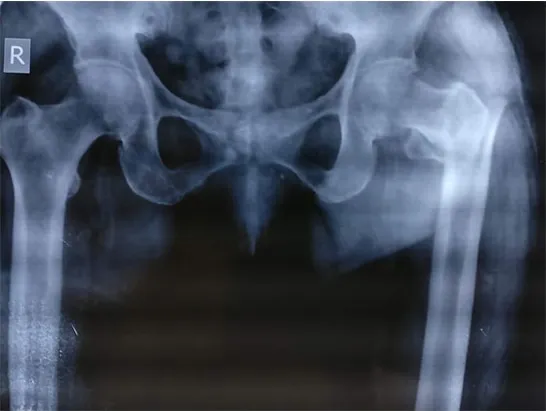
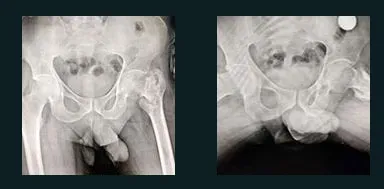
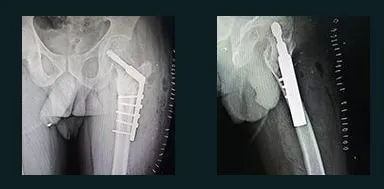
Six-Week-Old Hip Fracture That Healed Out of Place
A hip fracture left untreated for six weeks had started to heal in the wrong position (malunion) and was corrected with surgery.
Pending Medical Review
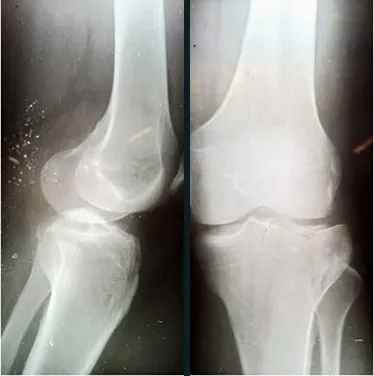
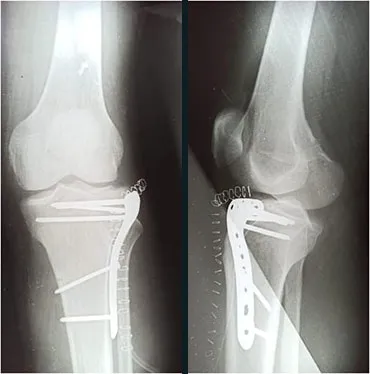
Fracture Below the Knee, Fixed With a Plate
A fracture of the upper shin bone (proximal tibia) just below the knee, fixed with a plate and screws.
Pending Medical Review
From Dr. Gadkari's own cases. Identifying details have been removed. Every patient's result is different.
“We found him extremely approachable responding to our queries 24x7, providing practical solutions and not prescribing excessive medication.”
Read the original Google review, 2025 (opens in a new tab)
Frequently Asked Questions
Will my fracture need an operation?
Many fractures heal in a plaster, splint or brace. Surgery is more likely when the bone ends are out of place, the break goes into a joint, the bone has come through the skin, or the fracture is in the hip.
How do I look after a plaster cast?
Keep it dry, raise the limb to reduce swelling and move your fingers or toes often. Do not push anything inside it to scratch. Go back to hospital urgently if the fingers or toes turn pale, blue, numb or very painful, or if the cast feels too tight.
How long does a broken bone take to heal?
Most fractures in adults heal in about 6 to 12 weeks, though getting full strength back takes longer. Healing is slower in older people, smokers and people with diabetes, and in some bones such as the shin.
Do I need an X-ray for a sprain?
You need an X-ray if you cannot take four steps on the injured leg, if a bone is tender to press, or if the joint looks deformed. These can be signs of a fracture rather than a sprain.
Book a Consultation
Talk to Dr. Gadkari about a fracture. Message the clinic on WhatsApp or call, and they will find a time and place that suits you.
Pending Medical Review: Dr. Gadkari has not yet approved this page.