
Can I Kneel After Knee Replacement?
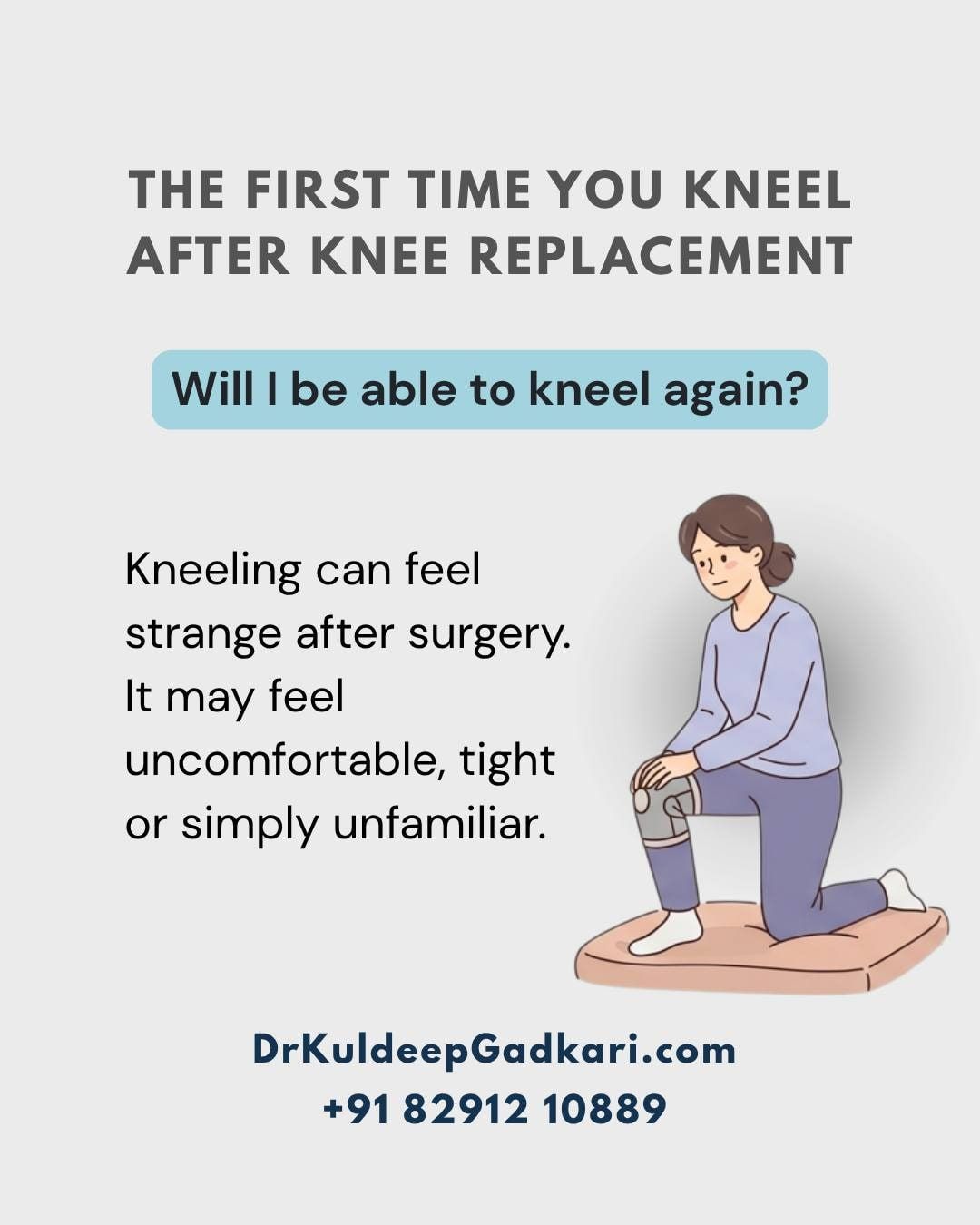
Kneeling after a knee replacement can feel strange, tight or uncomfortable at first, even when the knee is healing well. Here is why, and how to start again safely.
Share on WhatsAppOne of the questions people often ask after a knee replacement is simple: can I kneel again?
For some people, kneeling feels completely fine once they have recovered. For others, it feels unusual or uncomfortable, even when the knee is healing well. Both are normal. Understanding why helps you know what to expect.
Why Kneeling Can Feel Strange
The scar and the skin. The cut for a knee replacement runs down the front of the knee, right where you kneel. For months afterwards, the scar and the skin around it can feel tender, tight or numb. Pressing on it can feel odd rather than painful.
Numbness on the outer side. Small skin nerves are often cut during the operation, leaving a patch of numbness on the outer side of the scar. It usually shrinks over time but can make kneeling feel unfamiliar.
The implant underneath. Kneeling puts pressure through the front of the knee. Some people can sense the implant, which can feel strange even though it is not harmful.
How far the knee bends. Kneeling upright needs a good amount of bend; sitting back on your heels needs even more. Not everyone’s knee bends that far after a replacement.
Is Kneeling Safe?
For most people, kneeling does not damage a well-healed knee replacement. The bigger risks are practical ones: getting up and down from the floor, losing your balance, and kneeling on a hard surface while the scar is still tender.
Your ability to kneel depends on several things:
- How well the wound and scar have healed
- How far your knee bends
- How strong your thigh and hip muscles are
- Your balance, and how easily you can get up again
Ask your surgeon before you start, especially in the first few months.
How to Start Kneeling Again
When your surgeon agrees that your knee is ready:
- Start on something soft. A folded blanket, a cushion or a gardening kneeler takes pressure off the scar.
- Hold on to something stable. A sturdy chair, a bed or a kitchen counter helps you lower yourself and get back up.
- Kneel on the good knee first. Then gently bring the operated knee down, keeping most of your weight on the good side at first.
- Keep it short. A few seconds at first, building up gradually over days and weeks.
- Get up the safe way. Bring the stronger leg forward, place that foot flat, and push up using your hands on the support.
If kneeling causes pain that lasts afterwards, or the knee becomes swollen or warm, stop and talk to your doctor.
What About Floor Sitting and Squatting?
Kneeling, sitting cross-legged and squatting are different movements. Deep squatting and Indian-style toilets put heavy, repeated stress on a knee replacement, and in the early months a fall while getting up could cause a fracture. Read more in our article on floor sitting, squatting and your knees, and ask Dr. Gadkari what is right for your knee.
The Bottom Line
Feeling strange when you kneel after a knee replacement is common, and it often improves over the first year. Start slowly, on something soft, with something to hold on to, and let your knee tell you what it is ready for.
General information, not advice for your own joint. See our medical disclaimer.
Book a Consultation
Talk to Dr. Gadkari about knee replacement. Message the clinic on WhatsApp or call, and they will find a time and place that suits you.
Pending Medical Review: Dr. Gadkari has not yet approved this page.